
Understanding the various types of lawyers and their specialties can help you choose the right legal representation for your needs. This article explores different types of lawyers and their roles in the judicial system. The knowledge of specific legal experts can guide you through complex legal territories and ensure effective advocacy.
1. What does a DUI attorney do?
a. Definition and importance of DUI lawyers
A DUI lawyer specializes in representing individuals charged with driving under the influence of alcohol or drugs. These attorneys are crucial because DUI charges can lead to severe penalties, including license suspension and jail time. Understanding local DUI laws and providing a strategic defense is essential for these lawyers to protect their clients’ rights.
DUI lawyers work diligently to explore all possible defense strategies, such as challenging the legality of the traffic stop or the accuracy of breathalyzer tests. They play an important role in negotiating plea bargains and reducing potential sentences. Having a skilled DUI lawyer can make a significant difference in the outcome of your case.
Experience and knowledge are critical metrics when selecting the right DUI lawyer. They must be well-versed in both the science and the law behind DUI charges. Leveraging their expertise, DUI lawyers can help mitigate the impact of the charges on your personal and professional life.
b. Common cases handled by DUI lawyers
DUI lawyers frequently deal with cases involving alcohol-related DUIs and drug-related DUIs, which require specialized knowledge of different intoxication sources. They handle repeat offense cases, where the penalties are significantly more severe. Additionally, these lawyers manage the complexities of DUI cases that involve accidents or injuries.
Their expertise extends to representing clients in administrative hearings regarding license suspensions. They need to navigate both criminal courts and administrative bodies to provide comprehensive representation. DUI lawyers also assist clients in understanding the ramifications of their charges and potential impacts on employment and insurance.
Among the numerous facets of DUI cases, lawyers often address issues related to probable cause and evidentiary challenges. The defense strategies can include questioning the procedures followed during arrest or evidence collection. This diligent approach is imperative in safeguarding clients’ rights and achieving favorable outcomes.
2. How can felony lawyers help you?
a. Understanding felony charges
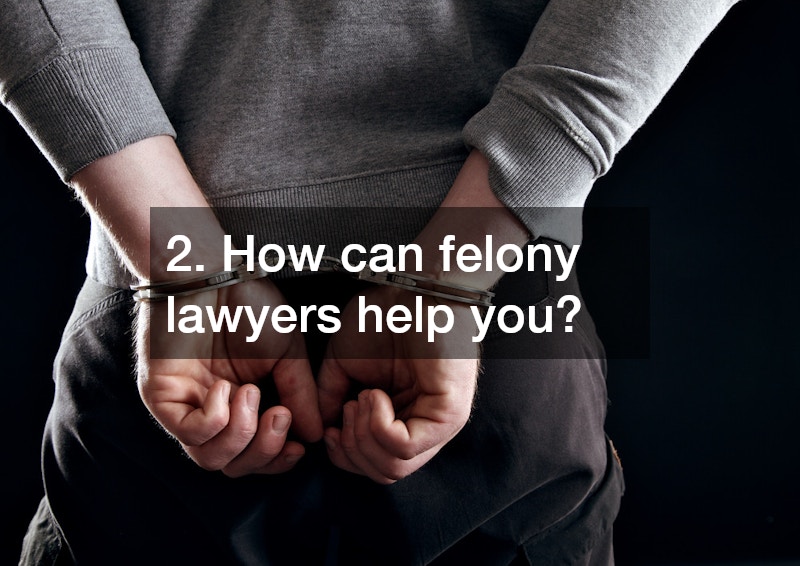
Felony charges are serious offenses typically resulting in harsher penalties such as extended imprisonment and larger fines. These charges can include violent crimes, drug trafficking, and white-collar crimes, each necessitating different legal approaches. It is imperative to understand your rights and potential defenses when facing a felony charge.
A felony attorney is essential in navigating the complexities of the legal system and protecting your constitutional rights. They work to analyze charges, gather evidence, and build a strong defense. The severity of felony charges underscores the importance of having a specialized legal advocate by your side.
Understanding the distinction between a misdemeanor and a felony charge is critical, as it dictates the potential consequences and legal strategy. Felony attorneys educate their clients on possible outcomes and legal procedures. They are adept at negotiating with prosecutors and, if necessary, will vigorously defend you in court.
b. The role of felony attorneys in court
In court, felony attorneys are responsible for presenting evidence, cross-examining witnesses, and advocating on behalf of their clients. Their role requires thorough preparation and a deep understanding of legal precedents and court procedures. A felony attorney’s strategic planning and persuasive communication can greatly influence a case’s outcome.
The courtroom is where a felony attorney’s skills are most visible, as they articulate legal arguments and counter those presented by the prosecution. They ensure that the defendant’s rights are protected throughout the trial process. Preparing the client for what to expect during trial proceedings is also part of their duty.
In addition to courtroom representation, felony attorneys may work on plea negotiations to reduce charges or penalties. Successful negotiation requires a thorough understanding of the case and the legal system. Loyalty to their client’s best interests is paramount in achieving an effective legal resolution.
3. What can a car accident attorney do for your case?
a. What makes a car accident attorney the best?
The best car accident attorney combines legal expertise with empathetic client interaction to navigate the challenges post-accident. Their ability to effectively negotiate settlements and communicate with insurance companies distinguishes their effectiveness. Experience in handling car accident cases significantly enhances their ability to advocate for rightful compensation.
An ideal car accident attorney demonstrates a thorough understanding of personal injury law, evidential requirements, and local traffic regulations. They possess strong investigative skills to accurately establish liability and gather supporting documentation. This comprehensive approach allows for securing the best possible outcomes for their clients.
Besides skills, the reputation and track record of a car accident attorney provide assurance to clients seeking representation. Being proactive and responsive in addressing client concerns builds trust and confidence. Choosing an attorney with a strategic approach focused on maximizing the client’s recovery is advisable.
b. Evaluating case results
The evaluation of past case results provides insight into a car accident attorney’s effectiveness and credibility. A strong history of favorable verdicts and settlements demonstrates their capability to navigate the intricacies of car accident claims. This track record also illustrates their ability to overcome common legal challenges in these cases.
Prospective clients should review testimonials and case studies to assess the attorney’s expertise. While past successes do not guarantee future outcomes, they provide a benchmark of an attorney’s ability to handle complex situations. Evaluating case outcomes helps clients feel assured about the attorney’s potential to handle their claims.
A transparent discussion with the attorney about possible outcomes and strategies sets realistic expectations. Understanding the attorney’s teamwork approach, including collaboration with medical experts and accident reconstruction professionals, can be pivotal. This holistic strategy often results in a favorable settlement or verdict.
4. What services do probate attorneys provide?

a. Overview of probate law
Probate law involves the legal process of administering a deceased person’s estate, ensuring property distribution according to their will. In cases where no will exists, probate law determines how assets are allocated among heirs. This area of law requires meticulous adherence to procedure and deadlines mandated by the courts.
Probate lawyers specialize in guiding clients through the complexities of estate administration, including validation of wills and asset distribution. They play a critical role in resolving disputes among beneficiaries and creditors. Their expertise ensures adherence to legal requirements, minimizing the risk of litigation or estate mismanagement.
Understanding probate law is pivotal for the smooth transition of estate assets, and probate lawyers offer both legal and emotional support to clients. Their specialized knowledge aids in navigating tax implications and other regulatory considerations. Probate lawyers serve as an invaluable resource in uncertain legal landscapes.
b. Essential tasks handled by probate lawyers
Probate lawyers perform a range of tasks, including filing legal documents with the probate court to initiate estate administration. They assist in inventorying and appraising estate assets, ensuring accurate valuation for tax and distribution purposes. Additionally, they address any creditor claims against the estate through negotiation or settlement.
Facilitating the lawful distribution of assets and inheritance to rightful beneficiaries forms the crux of a probate lawyer’s responsibilities. This requires diligent tracking of estate finances to ensure compliance with both the decedent’s wishes and legal statutes. Probate lawyers also advise executors on fulfilling duties outlined in the will or court orders.
Another component of probate practice involves contesting wills or litigating disputes among beneficiaries. Probate lawyers skillfully navigate these conflicts to reach resolutions that uphold legal integrity and fairness. Their advocacy ensures that the decedent’s intentions are honored and that beneficiary rights are protected.
5. Why you might need a naturalization lawyer
a. The naturalization process explained
The naturalization process involves becoming a U.S. citizen, and is governed by intricate immigration regulations. Applicants must initially meet eligibility criteria, including residency requirements and demonstration of moral character. An understanding of written and spoken English and passing a citizenship test are also critical steps in the journey.
This process can be fraught with challenges due to changing immigration policies and complex application documentation. Naturalization attorneys specialize in guiding individuals through these processes, ensuring adherence to all procedural requirements. Their expertise is vital in preparing clients for naturalization interviews and overcoming potential hurdles.
Thorough preparation is necessary, as errors or omissions can delay or derail an application. Naturalization attorneys offer personalized attention, providing peace of mind and increasing the chances of success. They play a crucial role in realizing the client’s goal of achieving citizenship while minimizing potential obstacles.
b. How naturalization attorneys assist applicants
Naturalization attorneys provide comprehensive assistance, from completing applications to representing clients in hearings or interviews. They advise on necessary documentation and eligibility, preparing applicants for potential questions or issues that may arise during the application process. Their experience in immigration law equips them to manage complex cases effectively.
The attorney’s role includes addressing any issues of inadmissibility, such as criminal records or past immigration violations. This involves crafting tailored legal strategies to resolve complications and enhance application success rates. Having a knowledgeable attorney can alleviate much of the uncertainty associated with the naturalization process.
Naturalization attorneys also educate clients on current immigration laws, policies, and timelines. They provide valuable insights into leveraging legal opportunities to strengthen their application. The attorney-client collaboration is pivotal in achieving a smooth and successful transition to citizenship.
6. When to consult an accident attorney?
a. Types of cases typically handled by accident lawyers
Accident lawyers specialize in cases involving personal injuries resulting from various types of accidents, such as vehicular, workplace, or slip and fall incidents. Their role is to secure compensation for injury-related expenses and address any long-term impacts on the victim’s life. Expertise in personal injury laws enables them to navigate significant complexities and advocate effectively for victims.
Accident lawyers frequently deal with insurance claims to ensure rightful compensation for medical bills, lost wages, and other related costs. Cases may range from minor incidents to catastrophic injuries, requiring dedicated attention and analysis. The lawyer’s understanding of legal intricacies and insurance policies is crucial in maximizing settlements.
Each case is unique, and accident lawyers tailor their approach based on the specific circumstances and impact. Their calculated legal strategies are pivotal in advocating for the victim’s rights. An accident lawyer’s experience with litigation and negotiation is a critical asset in obtaining justice and fair compensation for clients.
b. Steps to take after an accident
Following an accident, it is vital to prioritize medical attention to address any immediate injuries and document their extent. Contacting law enforcement to secure an official accident report helps establish critical details and liability. Gathering evidence, such as photographs and witness statements, is crucial for supporting any legal claims.
Consulting with an accident lawyer is advisable to evaluate the potential for filing a claim and determining legal options. The lawyer can guide victims through interactions with insurance companies and ensure that claims are filed within appropriate timeframes. This proactive approach helps prevent overlooking significant legal rights and entitlements.
Legal counsel is essential in navigating discussions with insurers and ensuring proper valuation of injury-related losses. Accident lawyers assist in interpreting and negotiating settlement offers to achieve fair compensation. Their support allows victims to focus on recovery while ensuring legal proceedings are expertly managed.
7. How do lawyers handle sporting injuries?

a. Types of sports injury cases
Sports injury cases often involve claims related to accidents during athletic activities, negligent coaching, or unsafe playing conditions. These cases can vary from minor injuries requiring short-term treatment to severe, life-altering conditions. Lawyers specializing in sports injuries advocate for client rights and seek appropriate compensation for damages.
Injury cases also encompass issues of product liability, such as faulty sports equipment causing harm. Handling such cases necessitates a thorough understanding of liability, insurance claims, and sports regulations. Lawyers must assess the context of injuries, liability waivers, and the responsible parties to form a solid legal strategy.
The intricacies of sports injury cases often require comprehensive expertise in personal injury law and sports-specific legislation. These attorneys work to address both the physical and financial repercussions on the injured party. Navigating these cases demands careful evaluation of evidence and collaboration with medical experts to substantiate claims.
b. Legal considerations for athletes
Athletes face unique legal considerations related to their contractual obligations, injury during sanctioned events, and liability waivers. Lawyers must evaluate whether negligence, improper safety measures, or rule violations contributed to the injury. Understanding sports regulations and industry standards is crucial in assessing legal avenues available to athletes.
9. Personal injury lawyers handle injuries
A personal injury lawyer can help clients who are dealing with shoulder pain, neck pain, or back pain after an accident, requiring neck and back pain treatment. These injuries can happen after car crashes, slips and falls, workplace incidents, or other situations caused by another party’s careless actions. A lawyer may help gather medical records, review accident details, communicate with insurance companies, and pursue compensation for treatment costs, lost income, and ongoing pain related to the injury.
10. Criminal defense support and bail bonding
Bail bonds are often connected to criminal defense cases because they help people secure release from jail while they wait for upcoming court dates. While a bail bond company handles the financial side of release, a criminal defense lawyer focuses on the legal case itself. This may include explaining charges, reviewing evidence, representing the client in court, and helping them understand their rights during each stage of the process.
Different types of lawyers serve different legal needs, so knowing who to contact can make the process less overwhelming. Whether someone needs help after an injury, support during a criminal case, or guidance with another legal issue, the right lawyer can explain options and help protect the client’s interests. Learning what each type of lawyer does can make it easier to seek the right support when legal concerns arise.